The International Atomic Energy Agency (IAEA) has formally declared Iran non-compliant with its nuclear non-proliferation obligations, marking the first such resolution in 20 years. The decision follows mounting concerns over Iran’s lack of transparency regarding undeclared nuclear activities and stockpiles of enriched uranium.
Out of the 35-member IAEA Board of Governors, 19 countries—including the United States, United Kingdom, France, and Germany—voted in favor of the resolution. The motion cites Iran’s “numerous failures” to fully cooperate with the agency, particularly in disclosing information about its nuclear materials and previously undisclosed nuclear sites.
Escalating Nuclear Concerns
The resolution reflects growing alarm over Iran’s enriched uranium reserves, which, while suitable for nuclear fuel, could also be weaponized. A recent IAEA report indicated that Iran now possesses enough uranium enriched to 60% purity—just below weapons-grade levels—to potentially produce up to nine nuclear bombs.
Although Iran continues to assert that its nuclear activities are strictly for peaceful purposes, the IAEA said it is currently unable to verify that Iran’s nuclear program is exclusively civilian in nature. The board warned that Iran’s lack of cooperation raises serious questions and could warrant action by the United Nations Security Council.
Fallout from the 2015 Nuclear Deal
Under the 2015 Joint Comprehensive Plan of Action (JCPOA), Iran agreed to curb its nuclear activities and allow rigorous monitoring in exchange for relief from international sanctions. However, the agreement began to unravel after former U.S. President Donald Trump withdrew from the deal in 2018, reinstating severe sanctions on Iran.
In response, Iran has gradually scaled back its compliance, notably increasing its uranium enrichment efforts. This has significantly complicated efforts to revive the agreement.
International Reactions and Diplomatic Strains
Three countries—Russia, China, and Burkina Faso—opposed the resolution, while 11 others abstained, and two did not vote. Despite the division, Western powers emphasized the urgency of the situation.
In a joint statement, the U.S., UK, France, and Germany said the IAEA board’s decision provides Iran with an opportunity to rectify its course. They called on Tehran to fully address long-standing questions surrounding undeclared nuclear materials and activities.
However, Iran strongly rejected the resolution, labeling it as a “politically motivated move” lacking legal and technical merit. The Atomic Energy Organization of Iran (AEOI) responded by announcing plans to construct a new uranium enrichment facility at an undisclosed secure location. Additionally, Iran will replace older centrifuges at its underground Fordo site with more advanced sixth-generation machines.
Geopolitical Tensions on the Rise
Iran’s Foreign Minister Abbas Araghchi warned that the resolution could further complicate ongoing nuclear negotiations with the U.S., where talks for a new agreement are already facing hurdles. A sixth round of discussions is expected to take place this Sunday in Oman.
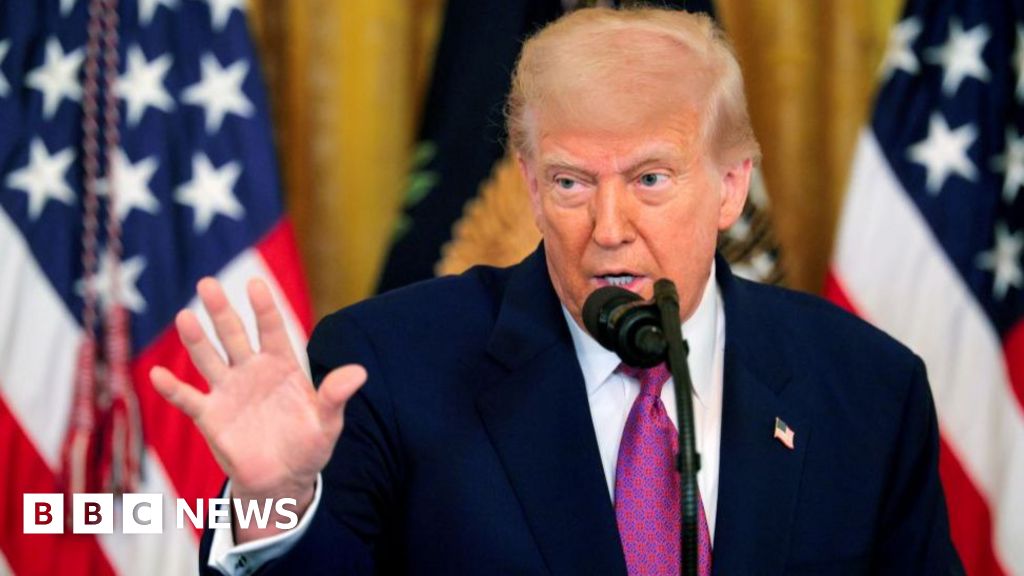
Former President Trump, who is reportedly involved in shaping the current U.S. stance, recently expressed doubts about reaching a new deal, demanding Iran cease uranium enrichment entirely—a demand Tehran has firmly rejected as non-negotiable.
Meanwhile, tensions in the Middle East are escalating. Israel, which views a nuclear-armed Iran as a dire threat, is reportedly preparing for potential military action. The U.S. has advised non-essential personnel at some regional embassies to evacuate amid security concerns.
In response, Iran’s defense minister issued a stark warning, stating that any military strike would be met with retaliation targeting all U.S. bases within range.